How Exercise for Mental Clarity Boosts Mental Wellbeing

When I first started exercising regularly, I noticed something surprising. It wasn’t just my body that felt better – my mind did too. Exercise has this wonderful way of clearing the fog, lifting the mood, and helping me feel more balanced. If you’ve ever felt overwhelmed or stuck in a cycle of negative thoughts, you’re not alone. The good news is that moving your body can be a gentle, effective way to support your mental wellbeing.
Let’s explore how exercise for mental clarity can make a real difference in your life. I’ll share practical tips, simple explanations, and some encouragement to help you get started – no matter where you are on your fitness journey.
Why Exercise for Mental Clarity Matters
Exercise isn’t just about building muscles or losing weight. It’s a powerful tool for your brain too. When I move, I notice my thoughts become clearer, and I feel less anxious. This happens because physical activity triggers the release of chemicals in the brain like endorphins and serotonin. These natural mood boosters help reduce stress and improve how we feel.
Plus, exercise increases blood flow to the brain, which can improve focus and memory. This means that even a short walk or gentle yoga session can help you think more clearly and feel calmer. For anyone who struggles with mental fog or racing thoughts, this can be a game changer.
If you want to dive deeper into the mental health benefits of exercise, there’s plenty of research showing how regular movement supports emotional balance and resilience.

How Exercise Helps Ease Stress and Lift Your Mood
Stress can feel like a heavy weight on your shoulders. I’ve been there, and sometimes it feels like there’s no escape. But exercise offers a natural way to lighten that load. When you exercise, your body produces less of the stress hormone cortisol. At the same time, it releases those feel-good chemicals I mentioned earlier.
One of my favourite ways to manage stress is through simple activities like walking or stretching. These don’t require special equipment or a gym membership, and they can be done almost anywhere. Even 10 minutes can make a difference.
Here are some easy ways to use exercise to lift your mood:
Take a brisk walk outside - fresh air and nature can boost your spirits.
Try gentle yoga or stretching - helps relax your muscles and mind.
Dance to your favourite song - movement and music combined can be uplifting.
Join a beginner-friendly fitness class - being around others can add motivation and support.
Remember, the goal isn’t to push yourself hard but to find movement that feels good and helps you unwind.
What Exercises Are Good for Overthinking and Anxiety?
Overthinking and anxiety can trap us in a loop of worry and doubt. I’ve found that certain types of exercise are especially helpful for calming the mind and breaking that cycle.
Mindful movement is a great place to start. Activities like yoga, tai chi, or Pilates encourage you to focus on your breath and body sensations. This focus helps pull your attention away from anxious thoughts and into the present moment.
Cardiovascular exercises like walking, jogging, or cycling can also reduce anxiety. These activities increase your heart rate and release endorphins, which act as natural anxiety relievers.
Here are some specific exercises to try:
Yoga - Try beginner classes that focus on gentle poses and breathing.
Walking in nature - Aim for 20-30 minutes at a comfortable pace.
Swimming - The rhythm of swimming can be very soothing.
Breath-focused exercises - Combine light movement with deep breathing.
If you’re new to exercise or feel nervous about starting, remember it’s okay to take small steps. Even a few minutes a day can help ease your mind.
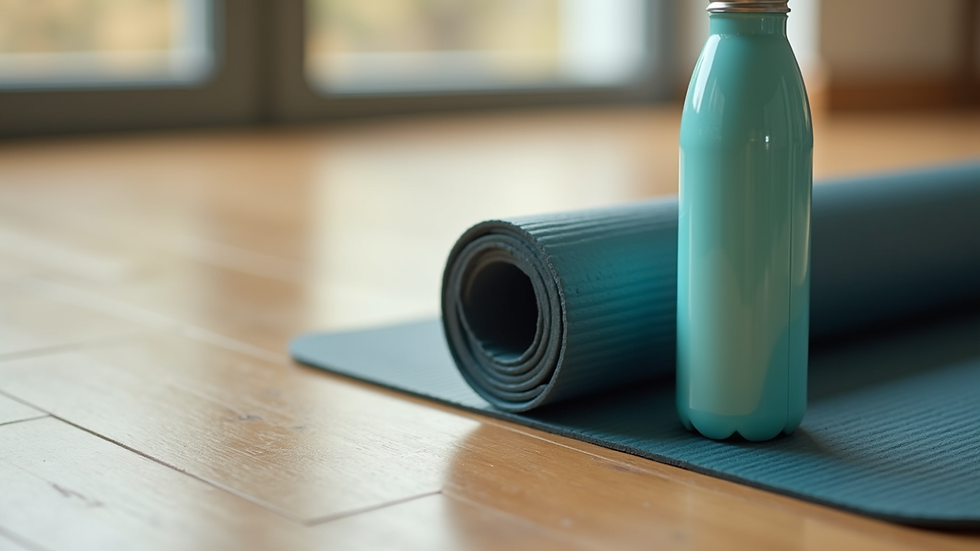
How to Make Exercise a Gentle Habit That Supports Your Mind
Starting a new habit can feel daunting, especially if you’re worried about fitness or unsure where to begin. I’ve learned that the key is to be kind to yourself and keep things simple.
Here are some tips to help you build a gentle exercise routine that supports your mental wellbeing:
Set small, achievable goals - For example, aim for 5 minutes of movement today.
Choose activities you enjoy - This makes it easier to stick with them.
Create a comfortable space - Whether it’s a corner at home or a local park.
Use reminders - Set a gentle alarm or put your workout clothes where you can see them.
Celebrate progress - Every bit of movement counts and deserves recognition.
It’s also helpful to connect with others who share your goals. Joining a local group or class can provide encouragement and make exercise feel less intimidating.
Finding Joy and Connection Through Movement
One of the most rewarding parts of exercising for mental clarity is the sense of connection it can bring. Whether it’s a friendly chat during a walk or the shared energy in a group class, movement can help us feel less alone.
At Nat Spires Fitness, the focus is on creating a welcoming space where everyone feels supported. You don’t need to be an expert or have a perfect routine. Just showing up and moving your body is a step towards better mental and physical health.
If you’re feeling unsure, try reaching out to a local community fitness hub or even a friendly neighbour for a walk. Sometimes, the simple act of moving together can brighten your day and ease your mind.
I hope this has given you some gentle encouragement and practical ideas to explore how exercise can boost your mental wellbeing. Remember, it’s not about perfection but progress. Every step you take is a step towards a clearer, calmer mind.


Comments